


Empowering Non-Verbal Children: The Importance of Effective Communication Systems
- Elodie André

- Mar 1
- 3 min read
Communication is a fundamental human need. For children who cannot speak, the absence of a clear way to express themselves can lead to frustration, isolation, and missed opportunities for learning and connection. Creating and implementing a communication system for non-verbal children is essential. It gives them a voice, supports their development, and helps them interact with the world around them.

Why Communication Systems Are Essential for Non-Verbal Children
Non-verbal children often face barriers that limit their ability to share their thoughts, needs, and emotions. Without a reliable way to communicate, they may be misunderstood or overlooked. This can affect their confidence and social interactions.
A communication system tailored to their needs:
Gives them a voice: It allows children to express themselves clearly.
Reduces frustration: When children can communicate, they feel more in control.
Supports learning: Language modeling helps children understand and use communication tools.
Strengthens relationships: Communication fosters connections with family, friends, and educators.
Different Types of Communication Systems
There is no one-size-fits-all solution. The right system depends on the child’s abilities, preferences, and environment. Common options include:
Picture Exchange Communication System (PECS): Children use pictures to make requests or comment.
Sign Language: A visual language using hand signs and gestures.
Speech-Generating Devices (SGDs): Electronic devices that produce spoken words.
Communication Boards: Boards containing symbols or words that children can point to.
Each system requires consistent use and support from parents and educators to be effective.
The Role of Language Modeling
Providing tools is not enough. Adults must actively model language to help children learn how to communicate. This means:
Using the communication system themselves during interactions.
Describing daily activities with clear and simple language.
Encouraging children to imitate and respond using the system.
Being patient and responsive to attempts at communication.
Language modeling shows children how to use their communication tools in real-life situations, making learning natural and meaningful.
Avoiding the Mistake of “Silencing” Non-Verbal Children
A harmful misconception is assuming that non-verbal children should remain silent or that their communication attempts are less important. This can lead to:
Ignoring their needs and feelings.
Limiting their development and independence.
Increasing feelings of isolation.
Instead, every effort should be made to give them a voice. Recognizing and validating their attempts to communicate builds trust and encourages further expression.
Practical Steps for Implementing a Communication System
Families, educators, and therapists can collaborate to create an effective communication environment:
Assess the child’s strengths and preferences: Choose a system that fits their abilities.
Provide training and resources: Ensure everyone involved understands how to use the system.
Integrate communication into daily routines: Use the system during meals, play, and learning.
Celebrate successes: Acknowledge and encourage all communication efforts.
Adapt and update: As the child grows, adjust the system to meet changing needs.
Real-Life Example
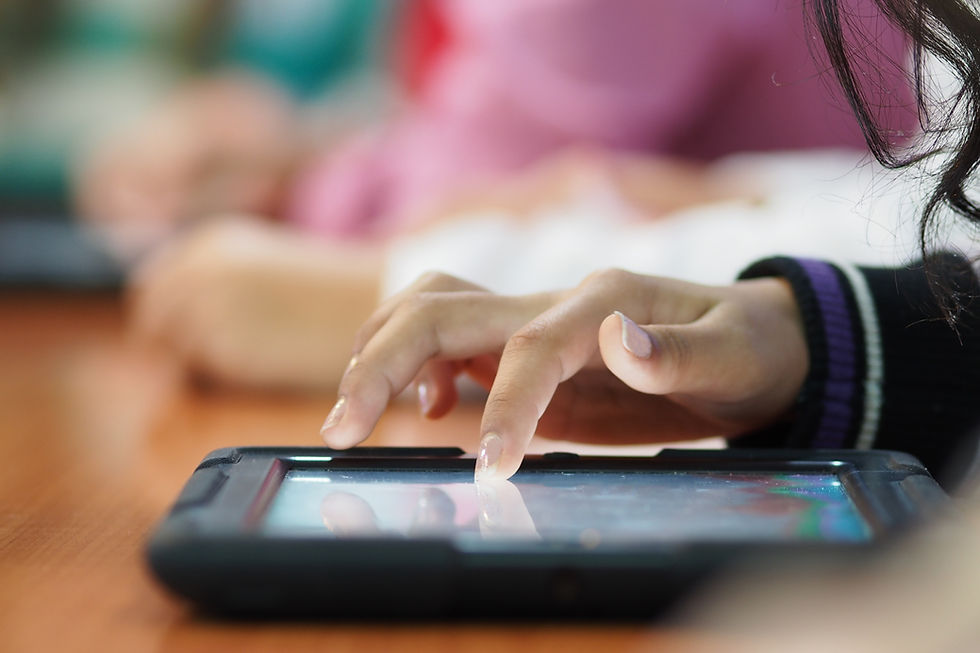
Consider a child named Mia who does not speak but uses a tablet with a speech-generating app. Her parents and teachers learned to model language by pointing to symbols on the tablet while speaking aloud. Over time, Mia began using the device to request snacks, express her feelings, and participate in classroom activities. This boosted her confidence and improved her relationships with others.
Supporting Emotional and Social Development
Communication is not only about practical needs. It also plays a key role in emotional well-being. When non-verbal children can share their thoughts and feelings, they develop:
Greater self-esteem
Better emotional regulation
Stronger social bonds
A communication system helps children feel understood and valued, which is essential for healthy development.


Comments